Gin Fizz
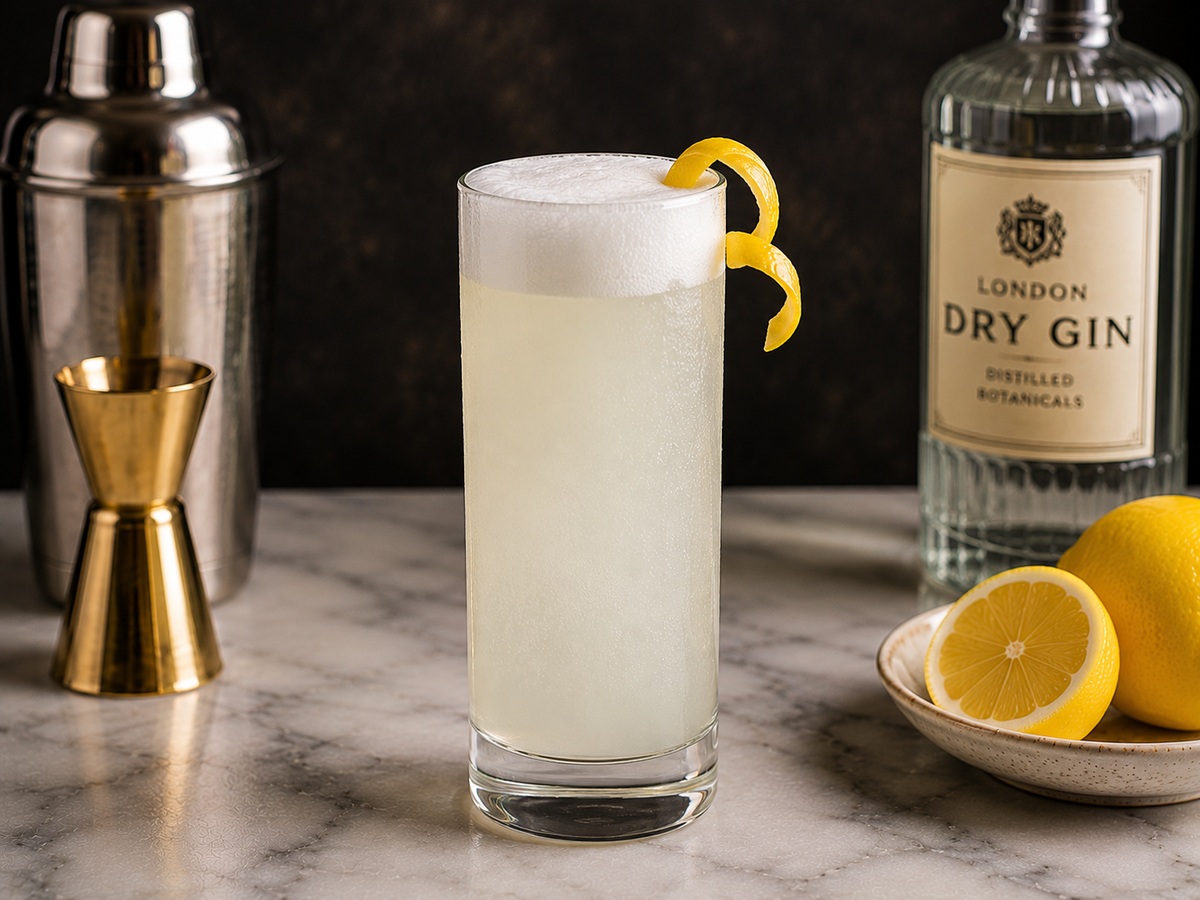
The Gin Fizz is a classic, refreshing gin cocktail made with freshly squeezed lemon juice, simple syrup and soda water. Shaken with ice and served without ice in a highball glass, it combines aromatic gin botanicals, bright citrus, balanced sweetness and lively carbonation.
Drink details
Glass
Highball Glass
Ice
No Ice
Method
Shaken
Strength
Medium
Servings
1
Carbonated
Yes
Recipe
Ingredients
Gin
45 ml
Lemon Juice
Freshly squeezed
30 ml
Simple Syrup
10 ml
Soda Water
Chilled
1 splash
Garnish
Lemon Slice
1 piece
Lemon Peel
OptionalTwist
1 piece
Rating
Rate this drink
Method
Preparation
- 1
Add the gin, freshly squeezed lemon juice and simple syrup to a cocktail shaker filled with ice. Shake well until thoroughly chilled.
- 2
Strain into a chilled highball glass without ice.
- 3
Top up with a splash of chilled soda water.
- 4
Garnish with a lemon slice and, optionally, a twist of lemon peel. Serve immediately.
About the Gin Fizz
The Gin Fizz is a classic American gin cocktail made with gin, freshly squeezed lemon juice, simple syrup and soda water. Known for its refreshing citrus flavour, balanced sweetness and lively carbonation, it is one of the best-known members of the historic Fizz family of cocktails.
The Gin Fizz dates back to the 19th century in the United States. An early documented recipe appeared under the name "Gin Fiz" in the 1876 edition of Jerry Thomas's bartender's guide. Although its exact inventor and creation date remain unknown, this publication establishes the Gin Fizz as one of the longstanding classics of American cocktail culture.
The Fizz family of cocktails developed around a simple combination of a base spirit, citrus juice, sugar and carbonated water. The Gin Fizz is essentially a Gin Sour lengthened with soda water, creating a lighter, more refreshing and effervescent drinking experience while retaining the characteristic balance between citrus acidity and sweetness.
The Gin Fizz is officially recognised by the International Bartenders Association (IBA) as part of its Unforgettables category. The classic IBA recipe combines gin, fresh lemon juice and simple syrup, shaken with ice before being topped with a splash of soda water. A lemon slice is used as a garnish, with an optional twist of lemon peel adding extra citrus aroma.
One of the defining characteristics of the classic Gin Fizz is its serving method. Unlike many other tall, carbonated cocktails, it is traditionally served without ice in a narrow, tall glass, such as a highball glass. Shaking the ingredients with ice chills and dilutes the cocktail before serving, while adding the soda water afterwards preserves its carbonation. The drink is best enjoyed immediately while it is cold and effervescent.
The Gin Fizz is closely related to the Tom Collins, as both cocktails combine gin, lemon juice, sugar and soda water. However, the Tom Collins is typically served over ice in a tall glass and generally contains more soda water. The classic Gin Fizz is served without ice and uses a smaller amount of soda water, resulting in a more concentrated citrus and gin character.
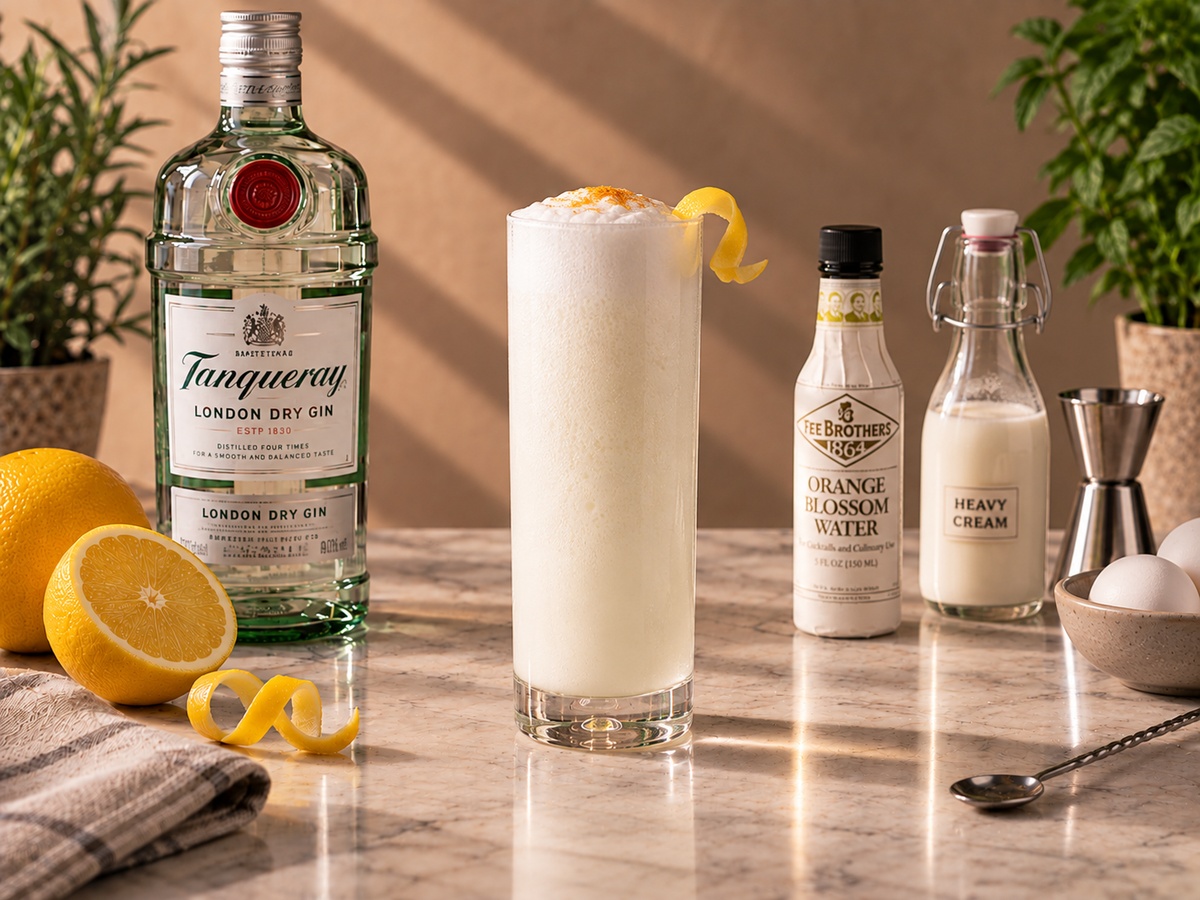
The Gin Fizz has also inspired several well-known variations. The Silver Fizz adds egg white for a silky texture and foamy top, while the Golden Fizz incorporates egg yolk and the Royal Fizz uses a whole egg. The Ramos Gin Fizz, associated with New Orleans, is a more elaborate variation containing additional ingredients such as lime juice, cream, egg white and orange blossom water. The classic Gin Fizz does not contain eggs or cream.
With its straightforward ingredients, refreshing character and relatively simple preparation, the Gin Fizz remains a popular choice for both home cocktail enthusiasts and professional bartenders. It is particularly well suited to warm weather, afternoon gatherings, brunches and occasions when a crisp, citrus-forward alternative to a more spirit-forward gin cocktail is desired.
What does a Gin Fizz taste like?
The Gin Fizz has a bright, crisp and refreshing flavour, combining the botanical character of gin with the tangy acidity of freshly squeezed lemon juice, a touch of sweetness and lively carbonation. Its overall taste is citrus-forward, lightly sweet and pleasantly tart.
The gin provides an aromatic foundation, with distinctive juniper notes accompanied by herbal, citrus, floral or subtle spice characteristics, depending on the gin used. A classic London Dry Gin gives the cocktail a clean, dry and juniper-forward character, while more contemporary gins may introduce softer floral or citrus notes.
Freshly squeezed lemon juice delivers a vibrant citrus flavour and pronounced acidity, while the simple syrup softens the sharpness of the lemon without making the cocktail overly sweet. The balance between these two ingredients creates the characteristic sweet-and-sour profile of the Gin Fizz.
The soda water adds a light, sparkling mouthfeel and enhances the cocktail's refreshing character without introducing additional sweetness or bitterness. Shaking the ingredients with ice provides sufficient chilling and dilution, resulting in a smooth, light-bodied texture that may have a delicate layer of foam on the surface. Unlike the Silver Fizz or Ramos Gin Fizz, the classic Gin Fizz does not have a thick, creamy foam.
The finish is clean, crisp and slightly dry, with lingering lemon freshness and aromatic gin botanicals. The optional twist of lemon peel adds an extra layer of fragrant citrus oils, enhancing the aroma with each sip. Compared with a Tom Collins, the classic Gin Fizz generally has a more concentrated gin and lemon flavour due to its smaller amount of soda water.
Tips for making a Gin Fizz
Choose a quality gin
A classic London Dry Gin is an excellent choice for a Gin Fizz, as its distinctive juniper character and dry botanical profile complement the fresh lemon juice. Contemporary citrus-forward or floral gins can also work well, although they may produce a softer and less traditional flavour profile.
Use freshly squeezed lemon juice
Freshly squeezed lemon juice is essential for achieving the bright citrus flavour and natural acidity of a classic Gin Fizz. Bottled lemon juice may lack freshness or introduce unwanted flavours. Strain the juice through a fine-mesh sieve to remove seeds and excess pulp for a smoother drinking experience.
Use a standard simple syrup
Use a standard 1:1 simple syrup made with equal parts sugar and water by weight. Rich simple syrup contains a higher concentration of sugar and may make the cocktail overly sweet if used in the same quantity. Allow homemade simple syrup to cool completely before use.
Balance the sweetness and acidity
The classic recipe uses 30 ml of fresh lemon juice and 10 ml of simple syrup. However, the acidity of lemons can vary depending on their variety and ripeness. If necessary, make small adjustments to the amount of simple syrup to achieve a pleasant balance between sweetness and acidity.
Chill the glass and soda water
Place the highball glass in the refrigerator or freezer before preparing the cocktail, and make sure the soda water is well chilled. Because the classic Gin Fizz is served without ice, starting with a chilled glass and cold soda water helps maintain its refreshing temperature for longer.
Use fresh, highly carbonated soda water
Use freshly opened, unflavoured soda water with lively carbonation. Soda water that has been open for too long may have lost much of its carbonation, resulting in a flat cocktail. Avoid sweetened or flavoured sparkling mixers if you want to preserve the traditional Gin Fizz flavour.
Shake thoroughly with ice
Shake the gin, lemon juice and simple syrup vigorously with plenty of ice for approximately 10–15 seconds, or until the cocktail shaker is thoroughly chilled. Proper shaking combines the ingredients, chills the cocktail, introduces a small amount of air and provides the dilution necessary for a balanced flavour.
Avoid excessive dilution
Use plenty of fresh, solid ice cubes when shaking rather than small, partially melted ice cubes. Avoid shaking for unnecessarily long periods, as excessive dilution can weaken the gin botanicals and reduce the intensity of the fresh lemon flavour.
Serve without ice
Strain the shaken cocktail into a chilled, narrow highball glass without adding ice. Serving without ice is one of the defining characteristics of the classic Gin Fizz and helps distinguish it from the Tom Collins. It also prevents further dilution after serving.
Never shake the soda water
Always add the soda water after shaking and straining the other ingredients. Shaking carbonated liquids in a sealed cocktail shaker creates pressure and causes the soda water to lose carbonation. Pour the soda water gently into the glass to preserve its bubbles, and avoid vigorous stirring.
Do not add too much soda water
The classic Gin Fizz calls for only a splash of soda water. Adding too much can dilute the gin and lemon flavours and make the cocktail taste more like a Tom Collins. Add just enough to create a lively, sparkling finish while maintaining the characteristic balance of the cocktail.
Use a fresh lemon garnish
Garnish the cocktail with a fresh, thin lemon slice. For additional citrus aroma, gently twist a piece of lemon peel over the surface of the cocktail to release its aromatic oils before adding it to the glass. Avoid including too much of the bitter white pith when preparing the lemon peel.
Serve immediately
The Gin Fizz is best enjoyed immediately after preparation, while it is thoroughly chilled and the carbonation is at its freshest. Because the cocktail is served without ice, it will gradually warm up and lose its refreshing character if left standing for too long.
Substitutions & Variations
No London Dry Gin?
Use another dry gin, such as Plymouth Gin or a contemporary gin with citrus or floral botanicals. A juniper-forward gin will produce a flavour closest to the classic Gin Fizz, while softer botanical gins may create a more delicate and aromatic variation.
No gin?
Substitute the gin with an equal amount of vodka, white rum or whiskey. Vodka creates a cleaner and more neutral Vodka Fizz, white rum introduces a softer sugarcane character, and whiskey produces a richer Whiskey Fizz. These substitutions create variations of the classic Fizz rather than a traditional Gin Fizz.
No freshly squeezed lemon juice?
Use unsweetened 100% bottled lemon juice in the same quantity if fresh lemons are unavailable. However, the cocktail may lack some of the brightness and freshness of freshly squeezed lemon juice. Avoid sweetened lemon juice, lemon cordial or lemonade, as these can alter the balance of sweetness and acidity.
No lemons?
Substitute the lemon juice with freshly squeezed lime juice in the same quantity. Lime juice produces a slightly different citrus character, with sharper and more aromatic notes. Adjust the amount of simple syrup if necessary to balance the acidity.
No simple syrup?
Dissolve equal parts granulated sugar and water by weight to make homemade simple syrup. Allow the syrup to cool completely before use. Alternatively, use approximately 5 g of fine granulated sugar, ensuring it dissolves completely in the lemon juice before shaking.
No soda water?
Use unflavoured sparkling mineral water or plain seltzer as an alternative. Choose a well-carbonated variety to preserve the refreshing, sparkling character of the cocktail. Tonic water, ginger ale and lemon-lime soda can also be used for variations, but they will introduce additional sweetness, bitterness or other flavours.
No lemon garnish?
Use a twist of lemon peel, a lime slice or a thin strip of grapefruit peel. Each provides a slightly different citrus aroma. Alternatively, omit the garnish altogether, as it is not essential to the overall balance of the cocktail.
Prefer a sweeter Gin Fizz?
Increase the amount of simple syrup from 10 ml to 15 ml. This softens the acidity of the lemon juice and creates a rounder, sweeter flavour while retaining the refreshing character of the cocktail.
Prefer a drier Gin Fizz?
Reduce the amount of simple syrup from 10 ml to 5 ml. This creates a sharper, more citrus-forward cocktail with a drier finish and a more pronounced gin character.
Prefer a lighter Gin Fizz?
Reduce the amount of gin from 45 ml to 30 ml and add a little more soda water. This creates a lighter, less alcoholic and more refreshing variation, although the gin and lemon flavours will be less concentrated than in the classic recipe.
Prefer a non-alcoholic Gin Fizz?
Replace the gin with 45 ml of a non-alcoholic gin alternative. Combine it with freshly squeezed lemon juice and simple syrup, shake with ice and top with chilled soda water. Choose a juniper-forward non-alcoholic spirit to reproduce the botanical character of the original cocktail as closely as possible.
Tom Collins
The Tom Collins combines gin, fresh lemon juice, simple syrup and soda water, just like the Gin Fizz. However, it is traditionally served over ice in a tall glass and generally contains more soda water, resulting in a longer, lighter and more refreshing cocktail.
Ramos Gin Fizz
The Ramos Gin Fizz is a classic New Orleans variation that combines gin, lemon juice, lime juice, simple syrup, cream, egg white, orange blossom water and soda water. It is known for its rich, silky texture, delicate floral aroma and thick, creamy foam. Its preparation is considerably more elaborate than that of the classic Gin Fizz.
Frequently Asked Questions
What is a Gin Fizz?
The Gin Fizz is a classic cocktail made with gin, freshly squeezed lemon juice, simple syrup and soda water. The gin, lemon juice and simple syrup are shaken with ice, strained into a chilled highball glass without ice and topped with a splash of soda water. It is known for its refreshing citrus flavour, balanced sweetness and lively carbonation.
What is the difference between a Gin Fizz and a Tom Collins?
Both cocktails combine gin, lemon juice, simple syrup and soda water. However, the classic Gin Fizz is shaken with ice and served without ice, while the Tom Collins is traditionally served over ice in a tall glass. The Tom Collins generally contains more soda water, resulting in a longer, lighter cocktail, while the Gin Fizz has a more concentrated gin and citrus flavour.
What is the difference between a Gin Fizz and a Ramos Gin Fizz?
The classic Gin Fizz contains gin, lemon juice, simple syrup and soda water. The Ramos Gin Fizz also contains lime juice, cream, egg white and orange blossom water. These additional ingredients give the Ramos Gin Fizz a richer, creamier texture, a delicate floral aroma and a thick layer of foam.
What is the difference between a Gin Fizz and a Gin & Tonic?
Both the Gin Fizz and Gin & Tonic are classic, refreshing gin cocktails with a carbonated mixer. However, the Gin Fizz combines gin, freshly squeezed lemon juice, simple syrup and soda water, while the Gin & Tonic combines gin with tonic water and is typically garnished with lime. The Gin Fizz is shaken with ice and served without ice, whereas the Gin & Tonic is built directly in a glass filled with ice. The Gin Fizz has a balanced sweet-and-sour citrus flavour, while the Gin & Tonic has a distinctive bittersweet flavour from the quinine in tonic water.
Does a Gin Fizz contain egg white?
No. The classic Gin Fizz, including the official IBA recipe, does not contain egg white. A Gin Fizz made with egg white is traditionally known as a Silver Fizz. Although shaking the classic Gin Fizz can produce a delicate layer of natural foam, egg white is not required.
What is the best gin for a Gin Fizz?
A classic London Dry Gin is an excellent choice because its dry, juniper-forward botanical profile complements the fresh lemon juice and simple syrup. Plymouth Gin and contemporary citrus-forward or floral gins can also be used, depending on your preferred flavour profile.
Why is a Gin Fizz served without ice?
The classic Gin Fizz is traditionally served without ice because the cocktail is already chilled and diluted during shaking. Serving it without ice prevents further dilution and helps preserve its concentrated gin and citrus flavours. Using a chilled glass and chilled soda water helps maintain its temperature.
How much soda water should I add to a Gin Fizz?
The official IBA recipe specifies a splash of soda water without providing an exact measurement. Approximately 20–30 ml is a useful starting point, depending on the size of your glass and personal preference. Avoid adding too much, as this can weaken the gin and lemon flavours.
Can I make a Gin Fizz without a cocktail shaker?
Yes. Use a clean jar with a securely fitting lid to shake the gin, lemon juice and simple syrup with ice. Strain the mixture into a chilled highball glass before adding the soda water. Never add soda water to a sealed jar or cocktail shaker, as carbonation can cause pressure to build up.
Why is my Gin Fizz not fizzy enough?
Your soda water may have lost its carbonation, or the ingredients and glass may not have been sufficiently chilled. Use freshly opened, well-chilled soda water, add it after shaking and straining the other ingredients, and avoid vigorous stirring. Serve the cocktail immediately to enjoy its carbonation at its freshest.
Why is my Gin Fizz not foamy?
A classic Gin Fizz naturally develops only a small amount of foam, and the amount can vary depending on the shaking technique and ingredients. Shake the gin, lemon juice and simple syrup vigorously with ice to introduce air. If you prefer a thicker, more stable layer of foam, consider making a Silver Fizz with pasteurised egg white instead.
Why is my Gin Fizz too sour?
The natural acidity of lemons can vary depending on their variety and ripeness. If your Gin Fizz tastes too sour, gradually increase the amount of simple syrup from 10 ml to approximately 15 ml, or adjust it in smaller increments until the desired balance is achieved.
Why is my Gin Fizz too sweet?
Too much simple syrup, a concentrated sugar syrup or a sweetened mixer can make a Gin Fizz overly sweet. Use standard 1:1 simple syrup and unsweetened soda water. If necessary, reduce the amount of simple syrup from 10 ml to 5 ml for a drier, more citrus-forward cocktail.
How strong is a Gin Fizz?
A classic Gin Fizz has a moderate alcohol content. When prepared with 45 ml of gin at 40% ABV, its finished alcohol content is typically around 13–15% ABV, depending on the amount of soda water added and the dilution from shaking. It is generally less concentrated than a Martini or other spirit-forward gin cocktails.
Can I make a non-alcoholic Gin Fizz?
Yes. Replace the gin with an equal amount of a non-alcoholic gin alternative and follow the same preparation method. A juniper-forward alternative will provide a botanical character similar to that of the original cocktail. Choose a product labelled 0.0% ABV if you want a completely alcohol-free version.
Can I make Gin Fizz cocktails in a large batch or pitcher?
Yes. Combine the gin, freshly squeezed lemon juice and simple syrup in advance and refrigerate the mixture until needed. For six servings, use 270 ml of gin, 180 ml of fresh lemon juice and 60 ml of simple syrup. For the best results, shake individual portions with ice before straining them into chilled glasses and topping each with soda water.
If serving directly from a pitcher, account for the dilution normally provided by shaking by adding approximately 120–150 ml of chilled water to the six-serving mixture. Add chilled soda water just before serving, stir gently and garnish each glass with a lemon slice. Avoid adding the soda water too far in advance, as the cocktail will gradually lose its carbonation.