Gin & Tonic
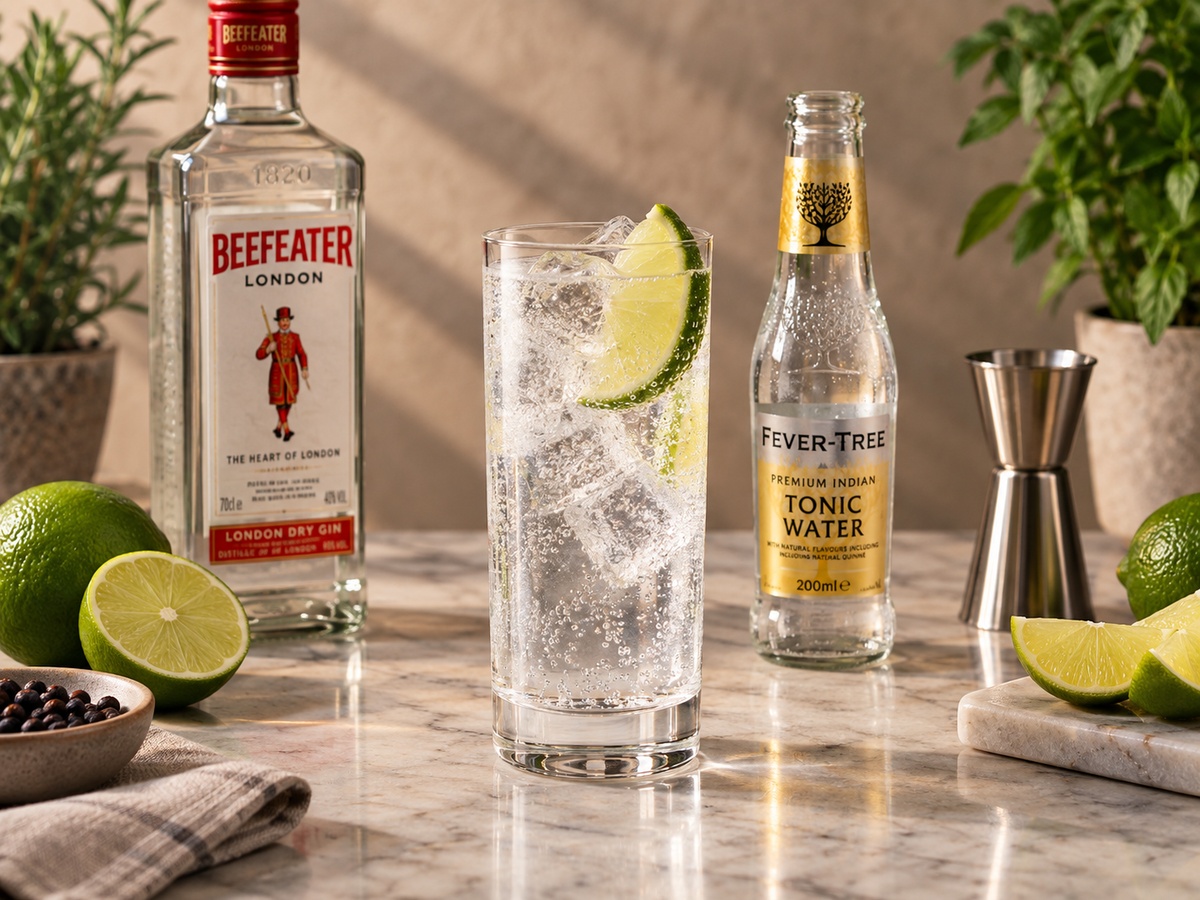
A classic, refreshing highball cocktail made with gin and chilled tonic water, served over ice with an optional lime wedge garnish. It combines aromatic gin botanicals with the subtle sweetness, distinctive bitterness and lively carbonation of tonic water.
Drink details
Glass
Highball Glass
Ice
Cubed
Method
Built
Strength
Medium
Servings
1
Carbonated
Yes
Recipe
Ingredients
Gin
50 ml
Tonic Water
Chilled
150 ml
Garnish
Lime Wedge
Optional1 piece
Rating
Rate this drink
Method
Preparation
- 1
Fill a Highball glass with ice cubes.
- 2
Pour the gin over the ice.
- 3
Slowly pour in the chilled tonic water and stir gently to combine, preserving the carbonation.
- 4
Optionally, garnish with a lime wedge and serve immediately.
About the Gin & Tonic
The Gin & Tonic, often abbreviated to G&T, is one of the world's most recognisable and enduring classic cocktails. Made with gin and tonic water and traditionally served over ice with a citrus garnish, it combines the aromatic botanical character of gin with the distinctive bitterness, subtle sweetness and refreshing carbonation of tonic water. Despite its simple composition, the cocktail offers a remarkable variety of flavours depending on the gin, tonic water and garnish used.
The origins of the Gin & Tonic are closely associated with British colonial India during the 19th century and the medicinal use of quinine. Derived from the bark of the cinchona tree, quinine was widely used to prevent and treat malaria. Its intensely bitter taste led to the development of more palatable preparations containing water and sugar.
In 1858, Erasmus Bond patented a carbonated tonic water in England. Schweppes subsequently introduced its Indian Tonic Water in 1870, contributing to the commercial development and popularity of quinine-based carbonated beverages.
According to the traditional origin story, British soldiers and officers stationed in India mixed gin with quinine-based tonic to make it more enjoyable to drink. However, historical evidence supporting this specific account is limited. One of the earliest known written references to the Gin & Tonic dates to 1868 in British India, where it was mentioned in connection with horse racing. The exact date of its creation and the identity of its inventor remain unknown.
The Gin & Tonic gradually became a popular recreational drink and an established part of British drinking culture before gaining widespread international recognition. Modern tonic water contains considerably less quinine than historical medicinal preparations and is enjoyed primarily for its distinctive bittersweet flavour rather than its medicinal properties.
A classic Gin & Tonic is typically prepared directly in a Highball glass filled with ice, using a gin-to-tonic ratio of between 1:2 and 1:4. A 1:3 ratio provides a refreshing balance between the botanical character of the gin and the bittersweet flavour of the tonic water. A lime or lemon wedge is a traditional garnish, although the choice of garnish can be adapted to complement the botanicals of the gin.
The cocktail has experienced a significant revival in the 21st century, driven by the growing popularity of craft gin, premium tonic water and the Spanish-style Gin & Tonic, commonly served in a large, balloon-shaped Copa glass with carefully selected botanical garnishes. Ingredients such as cucumber, grapefruit, rosemary, juniper berries and citrus peel offer numerous ways to personalise the cocktail.
Today, the Gin & Tonic remains one of the most popular gin cocktails worldwide. Its simplicity, refreshing character and versatility make it an excellent aperitif, a popular summer cocktail and an accessible introduction to the diverse world of gin.
What does a Gin & Tonic taste like?
The Gin & Tonic has a crisp, refreshing and distinctly bittersweet flavour, combining the aromatic botanical character of gin with the characteristic bitterness and subtle sweetness of tonic water.
Juniper, the defining botanical in gin, typically contributes fresh, pine-like and slightly resinous notes. Depending on the gin used, additional botanicals may introduce citrus, floral, herbal, earthy or spicy flavours, giving the cocktail considerable depth and variety despite its simple composition.
Tonic water contributes a distinctive quinine bitterness, balanced by a gentle sweetness that softens the alcoholic character of the gin without overpowering its botanicals. The optional lime wedge adds a fresh citrus aroma and, when lightly squeezed, a touch of acidity that enhances the cocktail's refreshing character.
The lively carbonation creates a light, crisp and effervescent mouthfeel, while the ice keeps the cocktail cold and gradually softens its intensity through dilution. The classic 1:3 gin-to-tonic ratio provides a refreshing balance between the botanical complexity of the gin and the bittersweet character of the tonic water.
The finish is clean, refreshing and pleasantly bitter, with lingering notes of juniper, citrus and other gin botanicals. The precise flavour profile can vary considerably depending on the choice of gin, tonic water and garnish.
Tips for making a Gin & Tonic
Use a good-quality gin
Since gin is one of only two principal ingredients in a Gin & Tonic, its quality and botanical character have a significant influence on the finished cocktail. A London Dry Gin is an excellent choice for a classic, juniper-forward Gin & Tonic. Citrus-forward, floral, herbal and contemporary craft gins can also produce excellent results, depending on your personal taste.
Choose a good-quality tonic water
Use a well-balanced tonic water with a pleasant quinine bitterness, subtle sweetness and lively carbonation. A classic Indian Tonic Water is an excellent starting point. Avoid excessively sweet tonic waters that may overpower the delicate botanicals of the gin. Premium tonic waters can offer more refined flavour profiles and a better balance of sweetness and bitterness.
Pair the tonic water with the gin
Different styles of gin can benefit from different types of tonic water. Classic Indian Tonic Water pairs particularly well with juniper-forward London Dry Gin, while Mediterranean, elderflower or citrus-flavoured tonic waters can complement more delicate, floral or citrus-forward gins. Choose a combination that enhances rather than masks the botanical character of the gin.
Chill the ingredients and glass
Use thoroughly chilled tonic water and, if possible, chill the gin and serving glass before preparing the cocktail. Starting with cold ingredients helps minimise ice dilution, maintain a refreshing serving temperature and preserve carbonation.
Use plenty of good-quality ice
Fill the glass generously with large, solid ice cubes. Avoid small, hollow or partially melted ice cubes, which can dilute the cocktail more quickly. Use ice made from clean, neutral-tasting water to avoid introducing unwanted flavours.
Use the right gin-to-tonic ratio
A 1:3 ratio of gin to tonic water, as used in this recipe, provides an excellent balance between botanical flavour, bitterness and refreshment. A 1:2 ratio creates a more pronounced gin character, while a 1:4 ratio produces a lighter, more tonic-forward cocktail. Measure both ingredients rather than estimating the quantities to achieve consistent results.
Use freshly opened tonic water
Whenever possible, use a freshly opened bottle or can of tonic water. Tonic water gradually loses its carbonation after opening, even when refrigerated. Small individual bottles or cans are particularly convenient when preparing a single Gin & Tonic.
Pour the tonic water gently
Slowly pour the chilled tonic water into the glass to minimise excessive foaming and loss of carbonation. Avoid pouring it forcefully or from a considerable height.
Avoid excessive stirring
Once the tonic water has been added, stir the cocktail gently just enough to combine the ingredients. Vigorous or prolonged stirring can cause the tonic water to lose carbonation, resulting in a flatter and less refreshing cocktail.
Choose the right glassware
A Highball glass is the traditional choice for a classic Gin & Tonic. Alternatively, a large, balloon-shaped Copa glass provides more space for ice and botanical garnishes, while its wide bowl allows the aromas of the gin and garnish to develop. Whichever glass you choose, ensure it is large enough to accommodate the ingredients and plenty of ice.
Choose a garnish that complements the gin
A fresh lime wedge is a classic garnish, but other garnishes can enhance the particular botanicals of the gin. Lemon or grapefruit peel complements citrus-forward gins, cucumber pairs well with fresh and delicate gins, and rosemary or juniper berries can enhance herbal or juniper-forward gins. Avoid using too many garnishes, as they may overpower the cocktail's natural botanical character.
Serve immediately
Serve the Gin & Tonic immediately after preparation, while it is thoroughly chilled and the tonic water retains its lively carbonation. Avoid preparing the cocktail too far in advance, as the ice will gradually dilute the drink and the tonic water will lose its effervescence.
Substitutions & Variations
No gin?
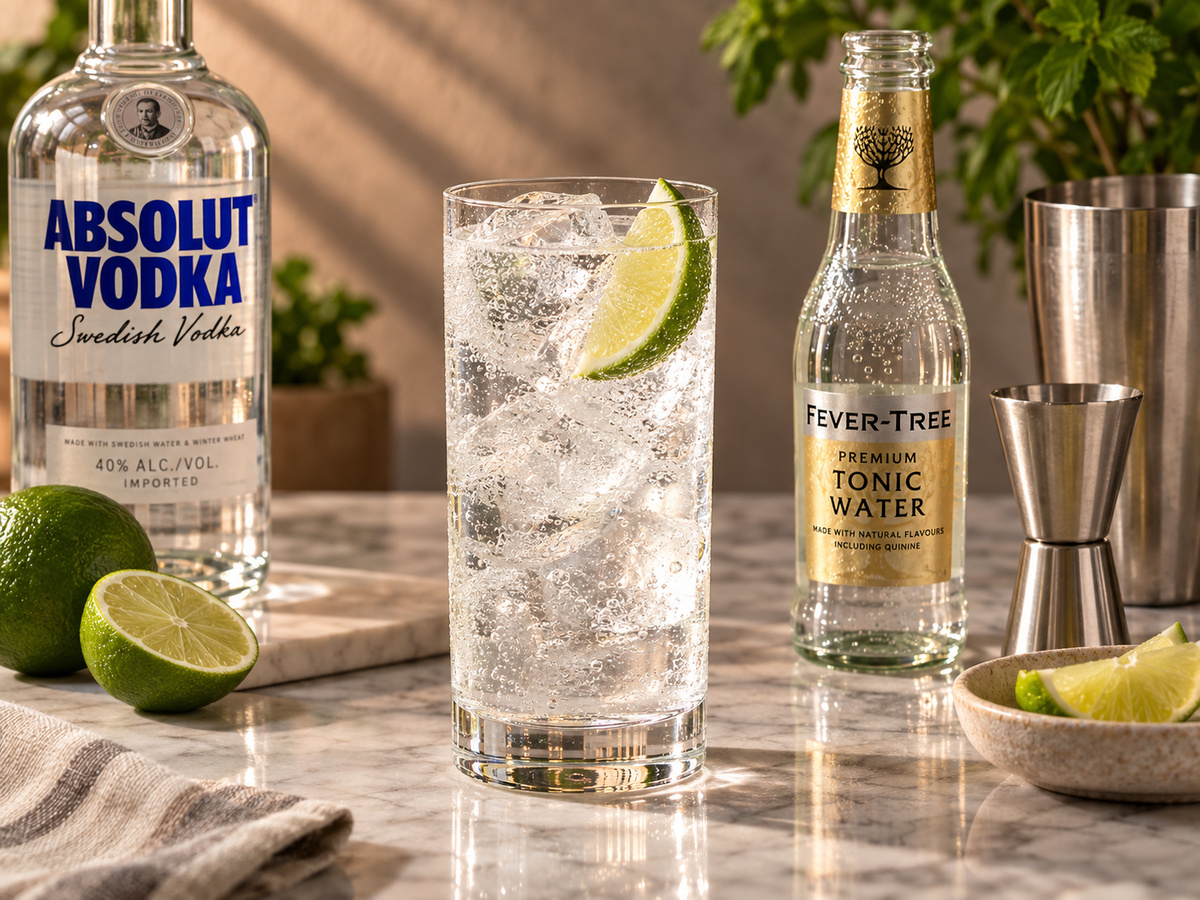
Vodka can be used as an alternative to gin in the same quantity. However, vodka lacks the distinctive juniper and botanical character of gin, resulting in a cleaner, more neutral-tasting drink. This variation is known as a Vodka Tonic rather than a traditional Gin & Tonic.
No tonic water?
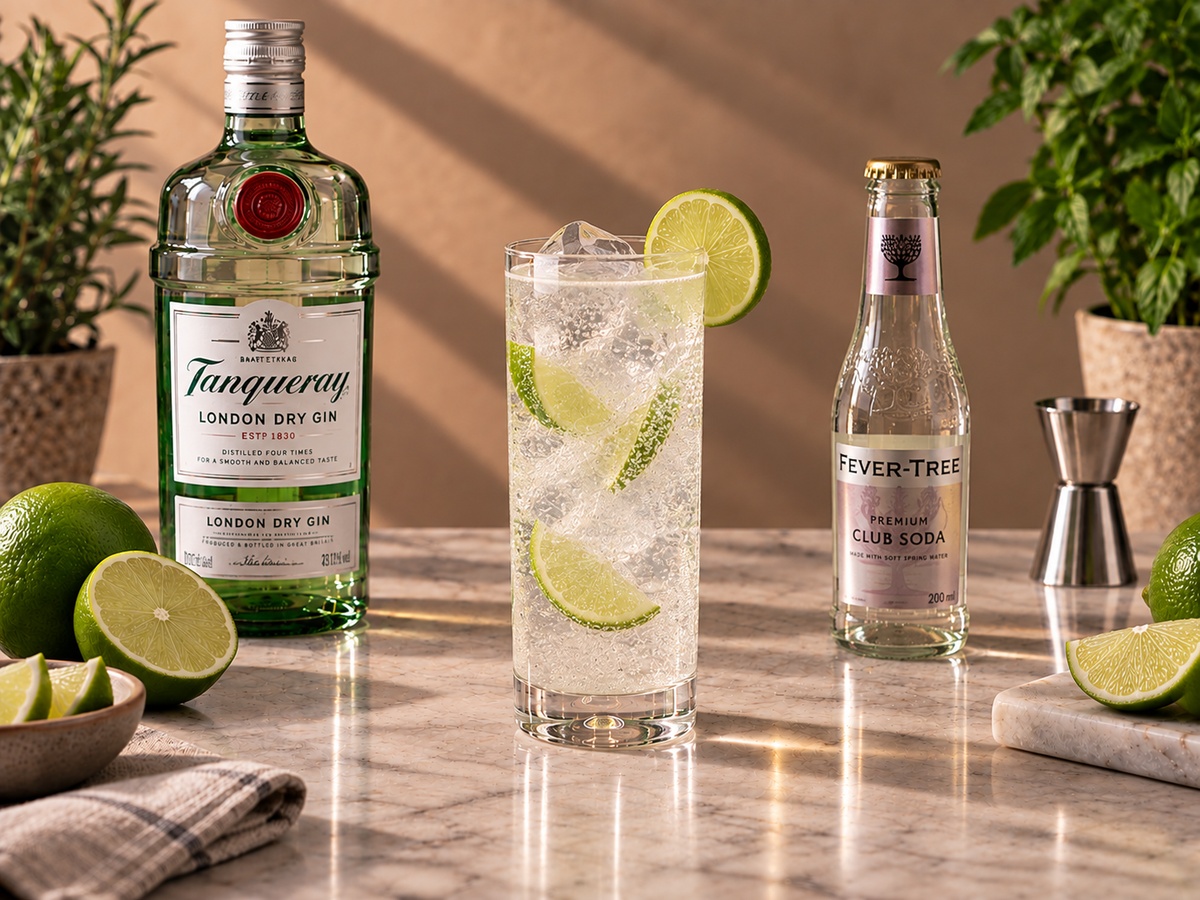
Soda water can be used as an alternative to tonic water in the same quantity. However, soda water lacks the characteristic quinine bitterness and sweetness of tonic water, resulting in a drier, lighter drink known as a Gin & Soda. Alternatively, use tonic syrup mixed with carbonated water according to the manufacturer's instructions to recreate the characteristic flavour of tonic water.
No lime wedge?
A lemon wedge, lemon peel, grapefruit peel or orange peel can be used as an alternative to a lime wedge. Cucumber, rosemary and juniper berries are also excellent alternatives, depending on the botanical character of the gin. As the garnish is optional, it can also be omitted entirely.
Prefer a different style of gin?
London Dry Gin provides a classic, juniper-forward flavour, while citrus-forward gins create a brighter and fresher cocktail. Floral gins offer more delicate aromatic notes, while herbal or spiced gins provide greater botanical complexity. Old Tom Gin can produce a slightly sweeter and rounder Gin & Tonic. Use the same quantity of gin and select a tonic water and garnish that complement its botanical character.
Prefer a different style of tonic water?
Classic Indian Tonic Water provides the traditional bittersweet character of a Gin & Tonic. Mediterranean tonic water can offer a softer, more aromatic flavour, while elderflower tonic water adds floral sweetness and citrus-flavoured tonic water enhances the cocktail's citrus character. Use the same quantity of tonic water and choose a style that complements the gin.
Prefer a less bitter cocktail?
Choose a tonic water with a milder quinine bitterness. Alternatively, replace part of the tonic water with soda water. For example, use 100 ml of tonic water and 50 ml of soda water instead of 150 ml of tonic water. This softens the bitterness while maintaining the cocktail's refreshing carbonation.
Prefer a drier, less sweet cocktail?
Use a dry, reduced-sugar or unsweetened tonic water, where available. Alternatively, replace part of the tonic water with soda water. This reduces the sweetness and allows the botanical character of the gin to become more prominent.
Prefer a sweeter cocktail?
Choose a slightly sweeter tonic water or an elderflower-flavoured tonic water. Alternatively, add 5 ml of simple syrup and stir gently to combine. Avoid adding too much sweetness, as this can mask the botanical character of the gin and the distinctive bitterness of the tonic water.
Prefer a more citrus-forward cocktail?
Lightly squeeze the lime wedge into the cocktail before adding it as a garnish, or add 5 ml of freshly squeezed lime or lemon juice. A citrus-forward gin or citrus-flavoured tonic water can also enhance the citrus character without adding excessive acidity.
Prefer a stronger, more gin-forward cocktail?
Reduce the tonic water from 150 ml to 100 ml while retaining 50 ml of gin. This creates a 1:2 gin-to-tonic ratio, resulting in a more pronounced botanical character and a higher alcohol concentration.
Prefer a lighter, more refreshing cocktail?
Increase the tonic water from 150 ml to 200 ml while retaining 50 ml of gin. This creates a 1:4 gin-to-tonic ratio, resulting in a lighter, more tonic-forward cocktail with a lower alcohol concentration. Alternatively, reduce the amount of gin to 35 ml while retaining 150 ml of tonic water to reduce the total alcohol content.
Prefer a Spanish-style Gin & Tonic?
Serve the cocktail in a large, balloon-shaped Copa glass filled with plenty of ice. Choose a good-quality gin and complementary tonic water, and add carefully selected botanical garnishes such as grapefruit peel, cucumber, rosemary or juniper berries. Select garnishes that enhance the gin rather than overpowering its natural botanical character.
Prefer a Pink Gin & Tonic?
Replace the regular gin with 50 ml of pink gin and retain the chilled tonic water. Depending on the pink gin used, this variation may offer sweeter, fruitier or more floral flavours. Fresh strawberries, raspberries or grapefruit peel make suitable garnishes.
Prefer a non-alcoholic version?
Replace the gin with 50 ml of a 0.0% ABV gin alternative and retain the 150 ml of chilled tonic water. Choose a juniper-forward, botanical gin alternative to recreate the characteristic flavour of a traditional Gin & Tonic. Garnish with a fresh lime wedge or another complementary botanical garnish.
Frequently Asked Questions
What is a Gin & Tonic?
A Gin & Tonic, also known as a G&T, is a classic highball cocktail made with gin and tonic water, served over ice and often garnished with a lime or lemon wedge. It is characterised by its refreshing carbonation, aromatic gin botanicals and distinctive bittersweet flavour.
What does a Gin & Tonic taste like?
A Gin & Tonic tastes crisp, refreshing and pleasantly bitter, with aromatic notes of juniper, citrus and other gin botanicals. Tonic water contributes quinine bitterness, subtle sweetness and lively carbonation. The exact flavour depends on the gin, tonic water and garnish used.
What is the best gin-to-tonic ratio?
A 1:3 gin-to-tonic ratio, using 50 ml of gin and 150 ml of tonic water, provides a well-balanced and refreshing cocktail. A 1:2 ratio is ideal for a more pronounced gin character, while a 1:4 ratio creates a lighter, more tonic-forward drink.
What is the best gin for a Gin & Tonic?
London Dry Gin is an excellent choice for a classic Gin & Tonic because of its distinctive juniper-forward character and dry botanical flavour. However, citrus-forward, floral, herbal and contemporary craft gins are also suitable. The best gin ultimately depends on your personal flavour preferences.
What is the best tonic water for a Gin & Tonic?
A good-quality Indian Tonic Water is an excellent choice for a classic Gin & Tonic. Look for a pleasant balance of quinine bitterness, sweetness and carbonation. Mediterranean, elderflower and citrus-flavoured tonic waters can also complement particular styles of gin.
What is the difference between tonic water and soda water?
Tonic water contains quinine, which gives it its distinctive bitter flavour, and typically contains sugar or sweeteners to balance the bitterness. Soda water is carbonated water without quinine and is generally unsweetened. Replacing tonic water with soda water creates a Gin & Soda rather than a traditional Gin & Tonic.
What is the best garnish for a Gin & Tonic?
A fresh lime or lemon wedge is a classic choice. However, the ideal garnish depends on the botanicals of the gin. Grapefruit peel complements citrus-forward gins, cucumber suits delicate and fresh gins, and rosemary or juniper berries can enhance herbal and juniper-forward gins.
Should I squeeze the lime into my Gin & Tonic?
This is a matter of personal preference. Lightly squeezing the lime wedge adds fresh citrus flavour and acidity, while adding it without squeezing provides a more subtle citrus character. Avoid adding too much lime juice, as excessive acidity may overpower the botanicals of the gin.
Why does my Gin & Tonic go flat so quickly?
Common causes include using previously opened tonic water, warm ingredients, pouring the tonic too forcefully or stirring excessively. Use freshly opened, thoroughly chilled tonic water, pour it gently over the ice, stir briefly and serve immediately to help preserve carbonation.
Why does my Gin & Tonic taste watery?
Excessive ice dilution is usually the main cause. Use thoroughly chilled ingredients, fill the glass with large, solid ice cubes and serve the cocktail immediately. Measuring the gin and tonic water also helps maintain the intended flavour balance.
Should a Gin & Tonic be shaken or stirred?
A Gin & Tonic should be built directly in the serving glass and stirred gently. It should never be shaken with tonic water, as shaking carbonated ingredients causes excessive foaming, pressure build-up and loss of carbonation.
How strong is a Gin & Tonic?
A Gin & Tonic made with 50 ml of 40% ABV gin and 150 ml of tonic water has an approximate alcohol content of 10% ABV before ice dilution. The actual strength depends on the alcohol content of the gin, the gin-to-tonic ratio and the amount of melted ice.
What is the difference between a classic Gin & Tonic and a Spanish-style Gin & Tonic?
A classic Gin & Tonic is typically served in a Highball glass with ice and a simple citrus garnish. A Spanish-style Gin & Tonic is commonly served in a large, balloon-shaped Copa glass with plenty of ice and carefully selected botanical garnishes that complement the gin.
What is the difference between a Gin & Tonic and a Gin Fizz?
Both the Gin & Tonic and Gin Fizz are classic, refreshing gin cocktails with a carbonated mixer. However, the Gin & Tonic combines gin with tonic water and is typically garnished with lime, while the Gin Fizz combines gin, freshly squeezed lemon juice, simple syrup and soda water. The Gin & Tonic is built directly in a glass filled with ice, whereas the Gin Fizz is shaken with ice and served without ice. The Gin & Tonic has a distinctive bittersweet flavour from the quinine in tonic water, while the Gin Fizz has a balanced sweet-and-sour citrus flavour.
Can I make Gin & Tonics in a large batch or pitcher?
Yes, although Gin & Tonics are best prepared individually to preserve carbonation. For six servings, use 300 ml of gin and 900 ml of chilled tonic water. Chill the gin and pitcher in advance, add the tonic water just before serving and stir gently. Serve in individual glasses filled with fresh ice and garnish each cocktail separately.