Boulevardier
A whiskey-led Negroni variation with Campari and sweet vermouth.
Drink details
Glass
Coupe Glass
Ice
No Ice
Method
Stirred
Strength
Strong
Servings
1
Recipe
Ingredients
Bourbon
45 ml
Campari
30 ml
Sweet Vermouth
30 ml
Garnish
Orange Peel
Express oils
1 piece
Rating
Rate this drink
Method
Preparation
- 1
Stir bourbon, Campari and vermouth with ice.
- 2
Strain into a chilled coupe.
- 3
Garnish with orange peel.
About the Boulevardier
The Boulevardier is a classic whiskey-based cocktail that combines bourbon, Campari, and sweet vermouth in a rich and balanced bittersweet blend. Often described as the whiskey counterpart to the Negroni, it replaces gin with bourbon, creating a warmer, fuller-bodied drink while retaining the distinctive bitterness of Campari and the herbal sweetness of vermouth.
The cocktail is traditionally associated with Erskine Gwynne, an American writer who founded a monthly magazine called *Boulevardier* in Paris during the 1920s. The recipe appeared in Harry MacElhone's 1927 book *Barflies and Cocktails*, helping establish the drink as a classic in its own right.
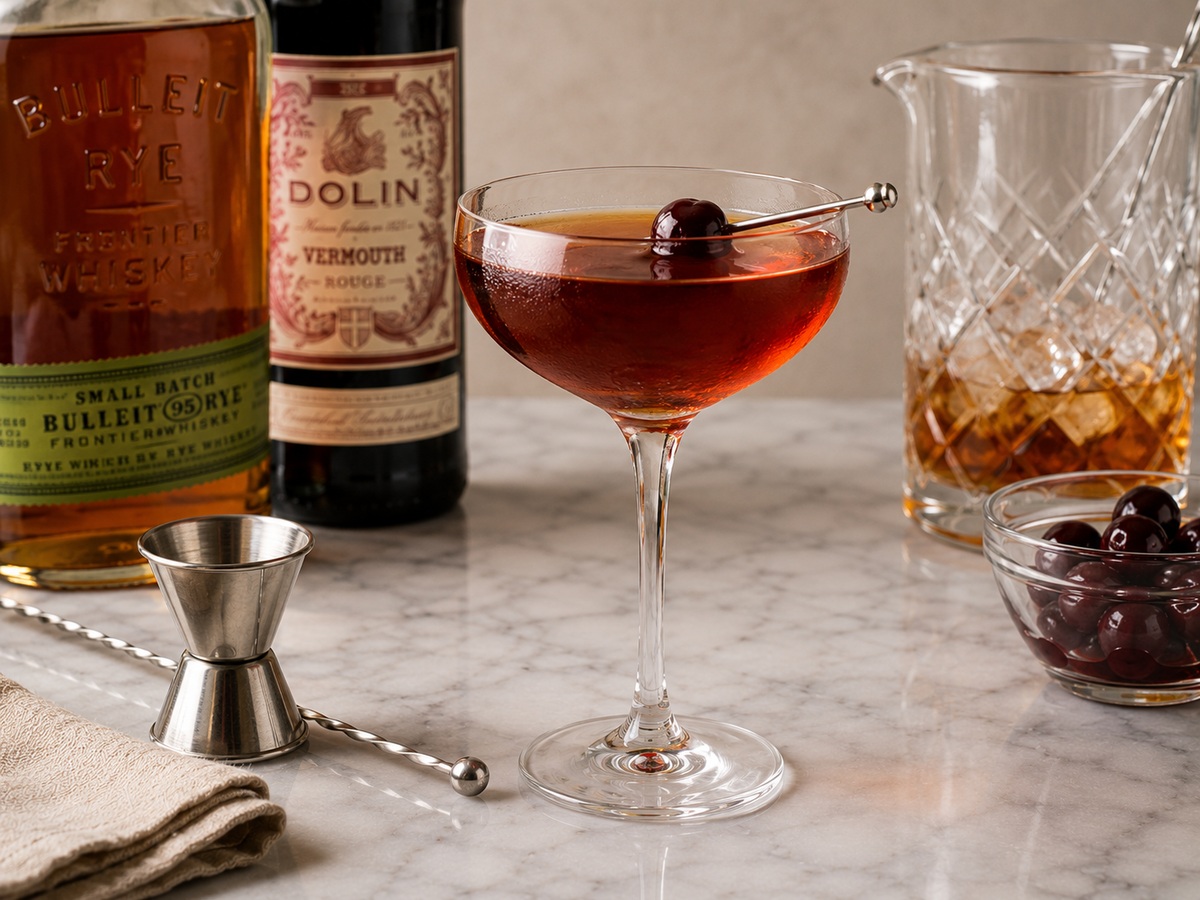
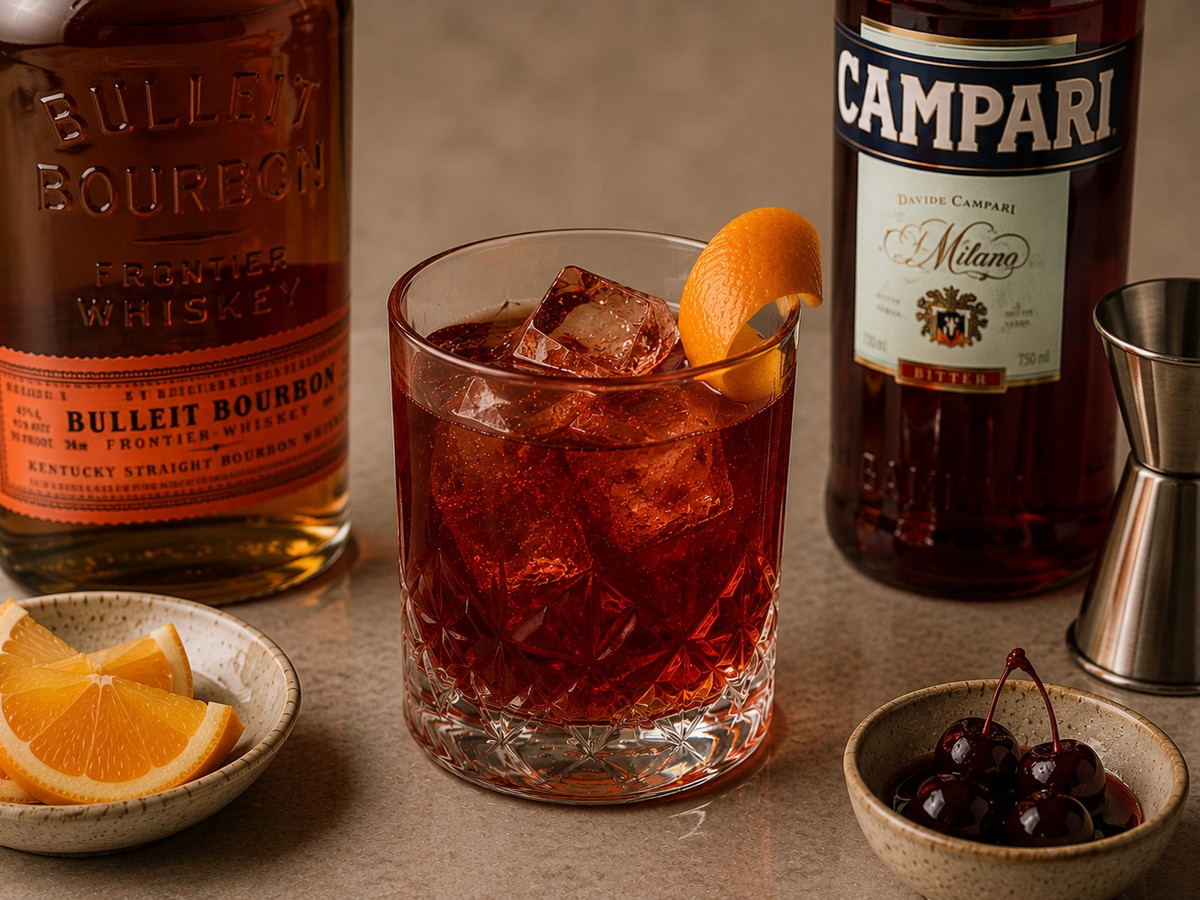
Traditionally served in a Coupe or Old Fashioned glass, the Boulevardier is stirred with ice and garnished with an orange peel. Its combination of whiskey, bitter aperitif, and sweet vermouth creates a sophisticated cocktail with layers of oak, spice, bitter citrus, and herbal sweetness.
Although closely related to the Negroni, the Boulevardier has a distinctly different character. Bourbon brings notes of vanilla, caramel, and oak, resulting in a richer and warmer cocktail that is particularly appealing to those who enjoy spirit-forward drinks with a pronounced bittersweet flavour.
What does a Boulevardier taste like?
The Boulevardier has a rich, complex and distinctly bittersweet flavour, combining the warmth of whiskey with the bitterness of Campari and the herbal sweetness of vermouth. Bourbon contributes prominent notes of oak, vanilla and caramel, while Campari adds bitter orange and aromatic herbal flavours. Sweet vermouth brings richness, gentle sweetness and warming spice, creating a well-balanced yet assertive cocktail.
The first sip delivers a pronounced bitterness balanced by the sweetness of the vermouth, followed by layers of citrus, oak, vanilla and spice. Its texture is smooth and full-bodied, with a warming alcoholic character and a long, lingering bittersweet finish. Compared with a classic Negroni, the Boulevardier has a richer, rounder profile, with whiskey adding depth and warmth to every sip.
Tips for making a Boulevardier
Choose the right bourbon
Use a good-quality bourbon with balanced notes of vanilla, caramel and oak. A bourbon with enough body and flavour will stand up well to the bitterness of Campari and the sweetness of vermouth. Avoid overly delicate bourbons, as their character may be overshadowed by the other ingredients. Rye whiskey is also an excellent alternative if you prefer a drier, spicier cocktail.
Choose the right sweet vermouth
Use a good-quality sweet red vermouth (Vermouth Rosso) with balanced sweetness, herbal complexity and subtle spice. Different vermouths can noticeably change the Boulevardier's character, so experiment to find your preferred balance. Always refrigerate opened vermouth and use it while fresh, as its flavour deteriorates after opening.
Maintain the classic balance
The classic Boulevardier recipe uses 45 ml bourbon, 30 ml Campari and 30 ml sweet vermouth. This ratio gives the whiskey a prominent role while maintaining the characteristic bittersweet balance. You can adjust the proportions to suit your taste, but even small changes can noticeably affect the cocktail.
Stir, don't shake
A Boulevardier should be stirred with ice rather than shaken. Stirring chills and dilutes the ingredients while maintaining a smooth texture and clear appearance. Stir until thoroughly chilled, then strain into a chilled Coupe glass or over fresh ice in an Old Fashioned glass.
Use fresh ice and the right garnish
If serving over ice, use a large, fresh ice cube to keep the cocktail cold without excessive dilution. Garnish with an orange peel and express its oils over the glass before adding it. The citrus aroma complements Campari's bitter-orange character and enhances the bourbon's rich flavour.
Serve at the right temperature
A Boulevardier tastes best when properly chilled. Use plenty of ice while stirring and consider chilling the serving glass beforehand. Serve immediately after preparation to enjoy the best balance of whiskey, bitterness, sweetness and aromatic flavours.
Substitutions & Variations
No bourbon?
Replace bourbon with rye whiskey for a drier, spicier Boulevardier. Rye brings a more pronounced peppery character, while maintaining the cocktail's rich bittersweet foundation. You can also use another quality American whiskey, although the flavour will vary depending on its style.
No Campari?
Use another red Italian bitter aperitif, such as Select or Cappelletti. These alternatives offer a similar bittersweet character, although their herbal intensity, citrus notes and sweetness differ from Campari. Aperol can also be used for a sweeter, less bitter variation, but the result will be noticeably softer than a traditional Boulevardier.
No sweet vermouth?
Replace sweet vermouth with another Italian-style red vermouth (Vermouth Rosso), choosing one with balanced herbal notes and moderate sweetness. Dry vermouth can also be used for a drier, sharper variation, although the cocktail will have less richness and a noticeably different flavour.
Prefer a less bitter variation?
Reduce the Campari from 30 ml to 20 ml and increase the sweet vermouth from 30 ml to 40 ml, keeping the bourbon at 45 ml. This softens the bitterness and creates a slightly sweeter, rounder cocktail. Alternatively, replace Campari with Aperol for a gentler, more approachable variation.
Prefer a stronger, more whiskey-forward variation?
Increase the bourbon from 45 ml to 60 ml while keeping the Campari and sweet vermouth at 30 ml each. This creates a stronger, more spirit-forward Boulevardier with a more pronounced whiskey character. Stir thoroughly with ice to achieve proper chilling and dilution.
Prefer a classic Negroni?
Replace the 45 ml bourbon with 30 ml gin, and adjust the Campari and sweet vermouth to 30 ml each. Stir the ingredients with ice until well chilled, then strain into a chilled Coupe glass or over fresh ice in an Old Fashioned glass. Garnish with an orange slice or peel. This creates the traditional Negroni, with a more pronounced botanical character and a drier, less whiskey-forward profile.
Frequently Asked Questions
Should I use bourbon or rye whiskey for a Boulevardier?
Bourbon is the traditional and most common choice, bringing notes of vanilla, caramel and oak that create a rich, rounded cocktail. Rye whiskey is an excellent alternative if you prefer a drier, spicier flavour with a more pronounced peppery character. Both work well with Campari and sweet vermouth, but produce noticeably different results.
Why is my Boulevardier too bitter?
Campari provides the Boulevardier's characteristic bitterness. If the cocktail tastes too bitter, reduce the Campari from 30 ml to 20 ml and increase the sweet vermouth from 30 ml to 40 ml, keeping the bourbon at 45 ml. This creates a slightly sweeter, rounder balance. You can also replace Campari with Aperol for a gentler, less bitter variation.
Should I stir or shake a Boulevardier?
A Boulevardier should traditionally be stirred rather than shaken. Stirring with ice chills and dilutes the ingredients while maintaining a smooth texture and clear appearance. Stir until thoroughly chilled, then strain into a chilled Coupe glass or over fresh ice in an Old Fashioned glass.
Is a Boulevardier stronger than a Negroni?
Generally, yes, when prepared using the classic 45 ml bourbon, 30 ml Campari and 30 ml sweet vermouth ratio. A traditional Negroni typically uses 30 ml each of gin, Campari and sweet vermouth. The Boulevardier contains a larger proportion of whiskey, resulting in a higher alcohol content per serving. The exact difference depends on the alcohol strength of the spirits used.
Can I make Boulevardier cocktails in a large batch or pitcher?
Yes. Mix the bourbon, Campari and sweet vermouth in a pitcher or sealed container, using 45 ml bourbon, 30 ml Campari and 30 ml sweet vermouth per serving. Keep the mixture refrigerated until ready to serve. Stir each portion with ice to achieve the proper chilling and dilution, then strain into a chilled Coupe glass or over fresh ice in an Old Fashioned glass. Garnish with orange peel. Avoid leaving ice in the pitcher, as it will gradually dilute the mixture.
Can I make a Boulevardier in advance?
Yes. A Boulevardier is particularly suitable for advance preparation because it contains no fresh citrus juice or carbonated ingredients. Combine the bourbon, Campari and sweet vermouth in the correct proportions and store the mixture in a sealed bottle or container in the refrigerator. When ready to serve, stir with ice until properly chilled and diluted, then strain into your preferred glass. Garnish with orange peel. Keep the mixture refrigerated and preferably use it within a few days for the best flavour, as sweet vermouth gradually loses its freshness after opening.
What is the difference between a Boulevardier and a Negroni?
Both cocktails combine Campari and sweet vermouth, but a Negroni uses gin while a Boulevardier uses bourbon or rye whiskey. The Negroni has a more pronounced botanical character, with notes of juniper and herbs. The Boulevardier is generally richer and warmer, with flavours of oak, vanilla, caramel and spice from the whiskey. The Boulevardier also typically contains a larger proportion of base spirit.